




Social media helping spread misinformation
2026February 2026
By Gil Crosby
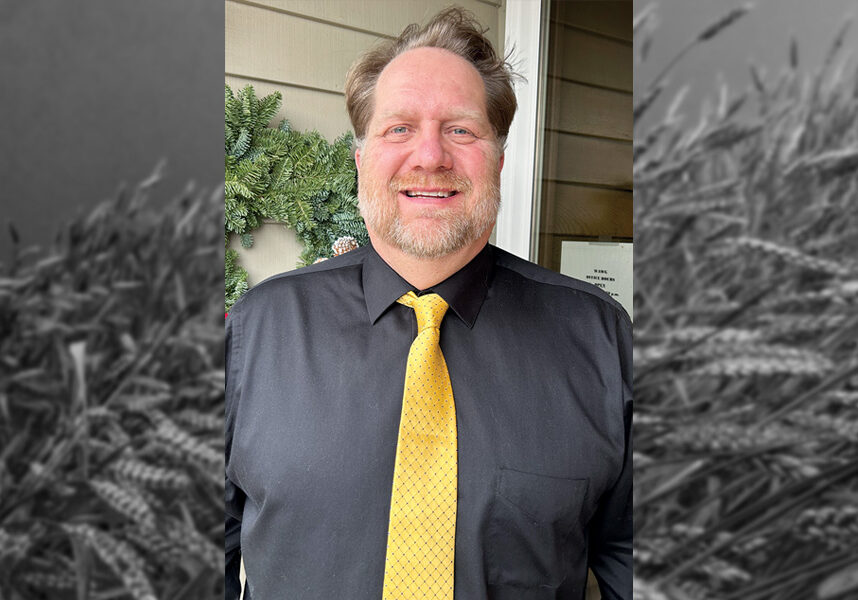
President, Washington Association of Wheat Growers
I’m sure almost everyone has scrolled through social media and come across a post, video, or article that made them stop and think, “can this really be true?” I experience this reaction with nearly every topic I see online. While some of the general information may be accurate, most of the details are skewed, misinterpreted, or just plain made up. In today’s digital world, misinformation often spreads faster than facts, shaping public opinion and influencing people’s personal decisions.
One area where misinformation is especially influential is agriculture, particularly when it comes to food production. Public understanding of how crops are grown is often shaped by social media content rather than scientific evidence, which can lead to confusion and fear.
Recently, I watched a video from a well-known actor who discussed a trip to Italy and claimed that food in Europe is healthier because they do not use genetically modified (GMO) wheat. He suggested that this is why people can eat bread in Europe without issues, while bread in the U.S. is harmful due to GMO wheat. While the claim may sound convincing, it’s inaccurate. In reality, GMO wheat is not commercially grown in either Europe or the U.S. In the U.S., product consistency is important, so bakers tend to use commercial yeast with fast rising times, while bread in Europe is often naturally leavened (sourdough) with long, slow proof times. That long, slow fermentation is shown to partially break down gluten proteins, making bread easier to digest. This type of misinformation is harmful because it misrepresents modern agricultural practices and creates unnecessary distrust in the U.S. food system.
This example highlights how individuals with large followings can strongly influence public perception. Because the speaker is famous, many viewers assume he is well informed. As the video is shared and reposted, the misinformation spreads, reinforcing false beliefs among people who may not take the time to verify the claims.
A quote often attributed to former CIA Director William Casey captures the danger of widespread misinformation: “We’ll know our disinformation program is complete when everything the American public believes is false.” While the origin of this quote is debated, its message remains relevant. When misinformation dominates public discourse, it becomes increasingly difficult for people to separate fact from fiction, especially in areas like agriculture, where most consumers are already disconnected from how their food is produced.
I have been trying to combat this misinformation by participating in organizations such as the Washington Association of Wheat Growers and the Modern Ag Alliance to help spread the message that farmers use the safest possible approaches to agriculture while also being good stewards of the land. Through meetings in Olympia and Washington, D.C., and in conversations with organizations like the Washington Grain Commission and the National Association of Wheat Growers, I believe we can make a meaningful difference. However, this effort requires all of us to stay active and to help inform those who may be mistaken.
Tags