





Don’t overlook mental health wellness
President's Perspective
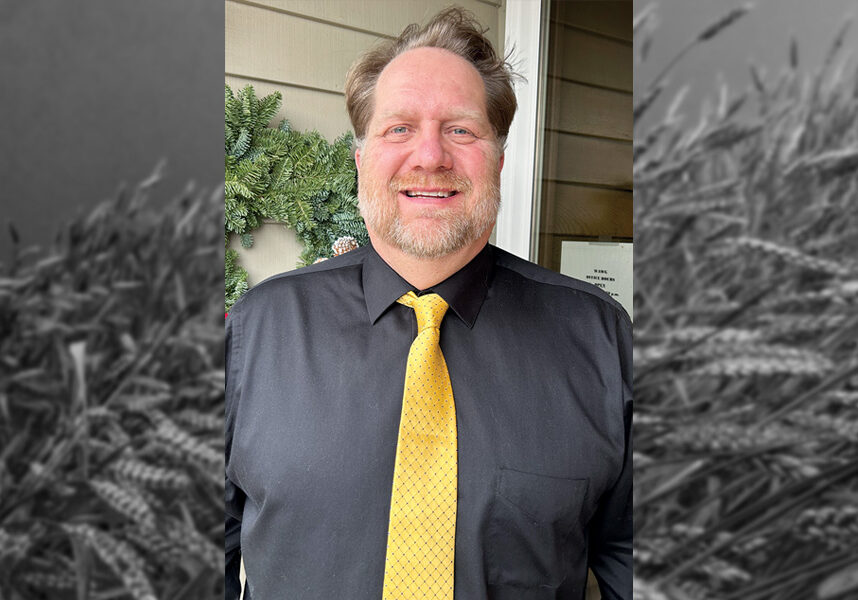
By Gil Crosby
President, Washington Association of Wheat Growers
This month’s column, focusing on mental health in agriculture, is a bit of a challenge to tackle. It’s a crucial issue that we should all be mindful of, especially given the current state of the industry. It’s important for us to look after our own mental well-being and support our fellow farmers and community members. With the rising issue of declining commodity prices and escalating input costs, Chapter 12 bankruptcies have surged by over 55% in 2025.
Even in the middle of all this, agriculture still has a way of reminding us to smile, usually at the most unexpected times. A load of seed wheat that is 200 pounds short to finish a field, a tractor that only starts when it feels like it, or a display that just keeps throwing errors can test a person’s patience, but they also give us stories we end up laughing about later. That humor matters more than we give it credit for. It’s often the first crack in the pressure, the moment where a hard day loosens its grip just enough to breathe. Taking five minutes to swap those stories with a neighbor, or to admit “today didn’t go as planned” doesn’t make anyone less tough, it makes your load a little lighter. In a line of work where so much is out of our control, holding onto those small, human moments might be one of the most practical tools we have.
Farmers are already about 3.5 times more likely to die by suicide, which makes taking care of our mental health just as important as taking care of the operation itself. For me, that means stepping away now and then, whether it’s a round of golf, a few hours fishing, or even a quick couple of days to catch a Mariners game. Those breaks aren’t wasted time, they are what help reset my head and let me come back more focused and steady. Everyone’s version of that reset looks different, and it doesn’t have to be big or expensive. It might just be a few hours off the farm to clear your mind. The important part is making time for it, because taking care of yourself is part of taking care of everything else.
In agriculture, we pride ourselves on resilience, but resilience doesn’t mean going it alone. Too often, it means keeping things to ourselves until the weight gets too heavy. Looking out for each other is not just neighborly, it’s necessary. It’s checking in, even when it feels a little uncomfortable. It’s noticing when someone isn’t quite themselves. It’s reminding each other that a tough season doesn’t define a lifetime. In a season where margins are tight and pressures are high, the strongest thing we can do is to stay connected to our work, our purpose, and each other.