





In February, wheat growers had the opportunity to learn some basic information about using options as part of their portfolio of risk management tools.
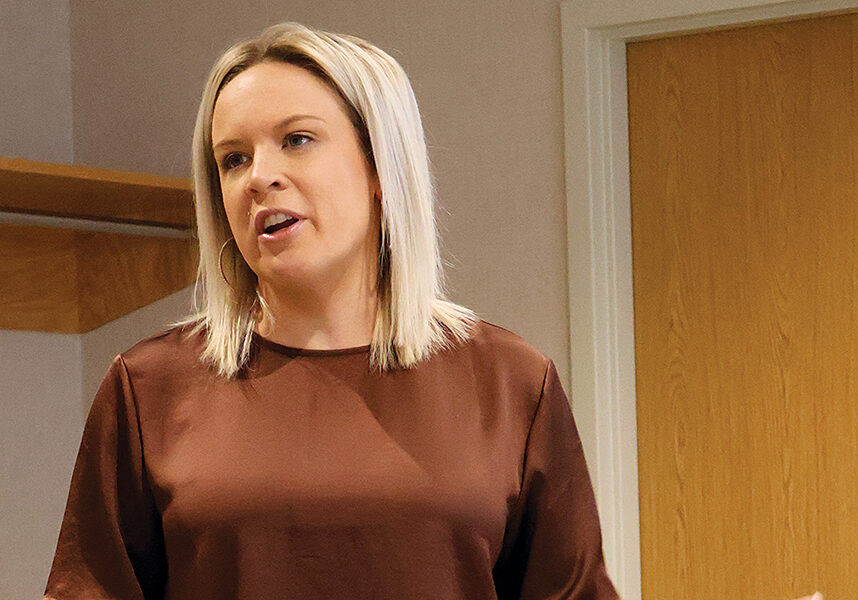
The seminar was presented by Allison Thompson, a commodity broker and owner of The Money Farm, a commodity advisory service based in Minnesota. Thompson’s family owns a farm that grows corn, soybeans, wheat, and barley. She was presenting as part of the Agricultural Marketing and Management Organization’s 2026 winter schedule.
Thompson began her presentation by talking about the difference between hedging and speculation. Hedging is a tool to reduce risk on an operation, but it also lowers profit potential. Speculating is only for making money and doesn’t account for risk.
“Farmers should not be necessarily speculating in the market, especially if you’re hedging. If you’re hedging, do not turn a hedge trade into a spec. That is the number one thing. If you remember anything today, don’t turn it into a spec,” she cautioned.
Every year, growers face two risks: prices collapse or they miss a price rally. They have three choices: do nothing; sell futures or forward contracts; or use options, which give flexibility while providing some protection. Options are the right, not the obligation, to do something. In marketing, there are two types of options: a put (sell at a price) or a call (buy at a price). Growers will pay an up-front premium to place a call or put, which Thompson likened to crop insurance.
“Just like your crop insurance, you pay money every year, but you don’t expect that money back, right? Your hope is that you have a good crop, and you’re able to sell it all in the cash market,” she said. “The same thing with using options for hedging. You want to protect prices if they go down, or if you made sales, you want to protect them in case prices go up. You’re not buying options to get rich. You’re buying to avoid getting hurt.”
There are three drivers of the cost of options:
- Volatility. If there’s a lot of movement in the market, the cost goes up. Quiet markets make options cheaper.
- Strike price vs. market price. In other words, the price you want compared to the current market price.
- Time to expiration. The more time before the option expires, the more expensive it will be because markets have more time to move. Options can cover months or weeks. There’s also a short-dated new crop option that’s based off a new crop contract but expires earlier. Thompson says these types of options offer short-term protection at a lower cost. However, winter wheat does not have this option. As an alternative for winter wheat, growers could be cross hedging by buying corn options. In addition, white wheat generally is connected to Portland, not the Chicago market.
“Corn options are relatively cheap compared to wheat, but historically, if corn rallies, wheat should follow. If wheat rallies, corn should follow,” she explained. “Your best bet, if you’re using options on wheat, is to use Chicago’s. I know it’s not perfect, but we’re talking about protection, not perfection.”
A normal contract size for wheat is 5,000 bushels, and brokers quote options in cents per bushel. Thompson gave growers an example of a standard call or put at $.15 per bushel. The contract would cost the grower $750 to protect those bushels. Growers need to compare the cost of an option to the cost of storing grain and any interest rates from operating loans that are drawn on because of a lack of cash flow.
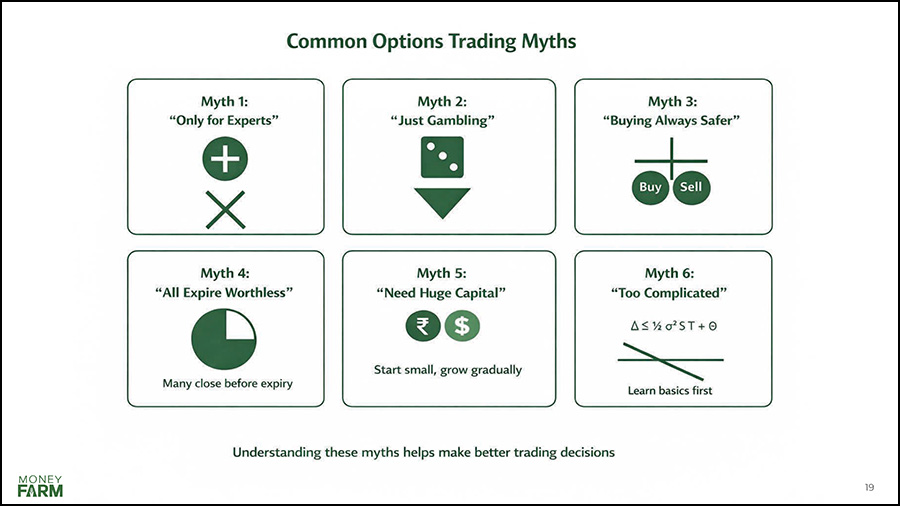
“The good thing about options is this is the only cost you’re going to have,” she explained. “If you bought a call and prices continued to go down, it’s going to lose value on you, so if you don’t get out of it, it expires worthless, and you’re out the $750 bucks. Better case scenario is prices move up, and you gain value in the call option. At least you know your worst-case scenario right up front when you’re using options.”
Thompson said she often helps growers buy a call option immediately after selling grain, something she called “re-owning” grain. This is helpful if a seller thinks there’s some opportunity for markets to go higher after the grain is sold. She advises growers to only “re-own” grain once.
“You’re buying the call with the broker, independent of your grain merchandiser,” Thompson explained. “You’d set up an account with a broker, like me, and you’d have a futures account. You would put monies into this futures account to pay for those options. If they worked for you, this account gains value. If you exit it and you made money in it, I can send the money home. If you lose it all, Chicago gets your money, the market got your money, that’s how it works.”
Buying the option is only half the work; growers also need to know when to get out. In addition, growers should understand that the markets work to make most options expire worthless. The exit strategies Thompson explained were:
- Let it expire worthless if there’s no value in it.
- Exercise the option and turn it into a futures position.
- Roll it into a deferred contract or high strike. This would be if you had good money in your option.
“Most options do expire worthless, but again, we’re not going for perfection, we’re going for protection,” she said. “If you’re not sure about options, just do one and see how it works.”
Following her presentation on options, Thompson also gave a market outlook report.